
Services
Buildings
Infrastructure

Dispute Resolution
& Litigation Support
Technical Consultation
-
Buildings
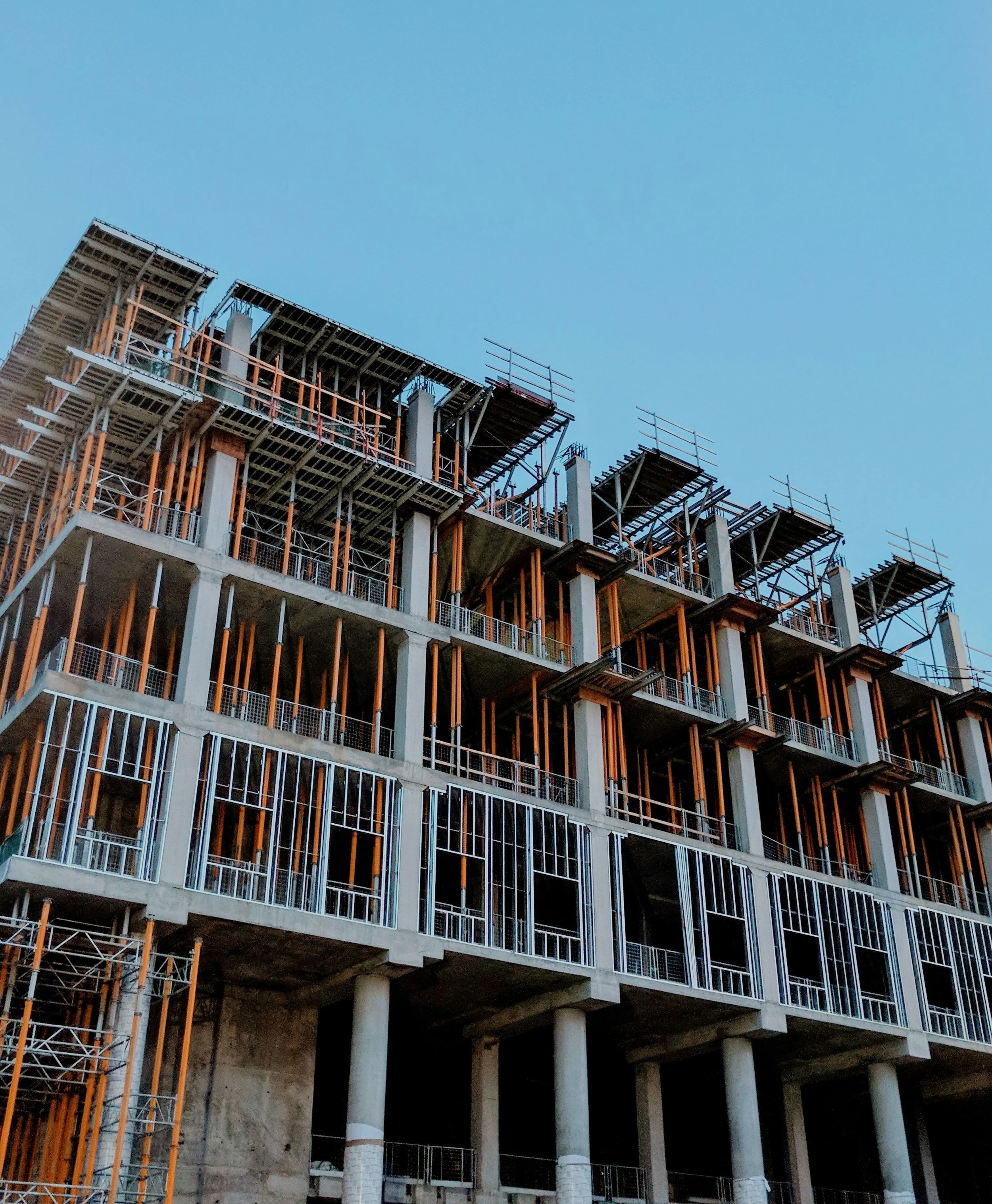
We investigate and assess issues in structures across a broad range of building types, forms and materials, from basements and traditional semi-detached houses to high-rise buildings in mixed-use developments, multi-storey car parks, warehouses and stadia.
-
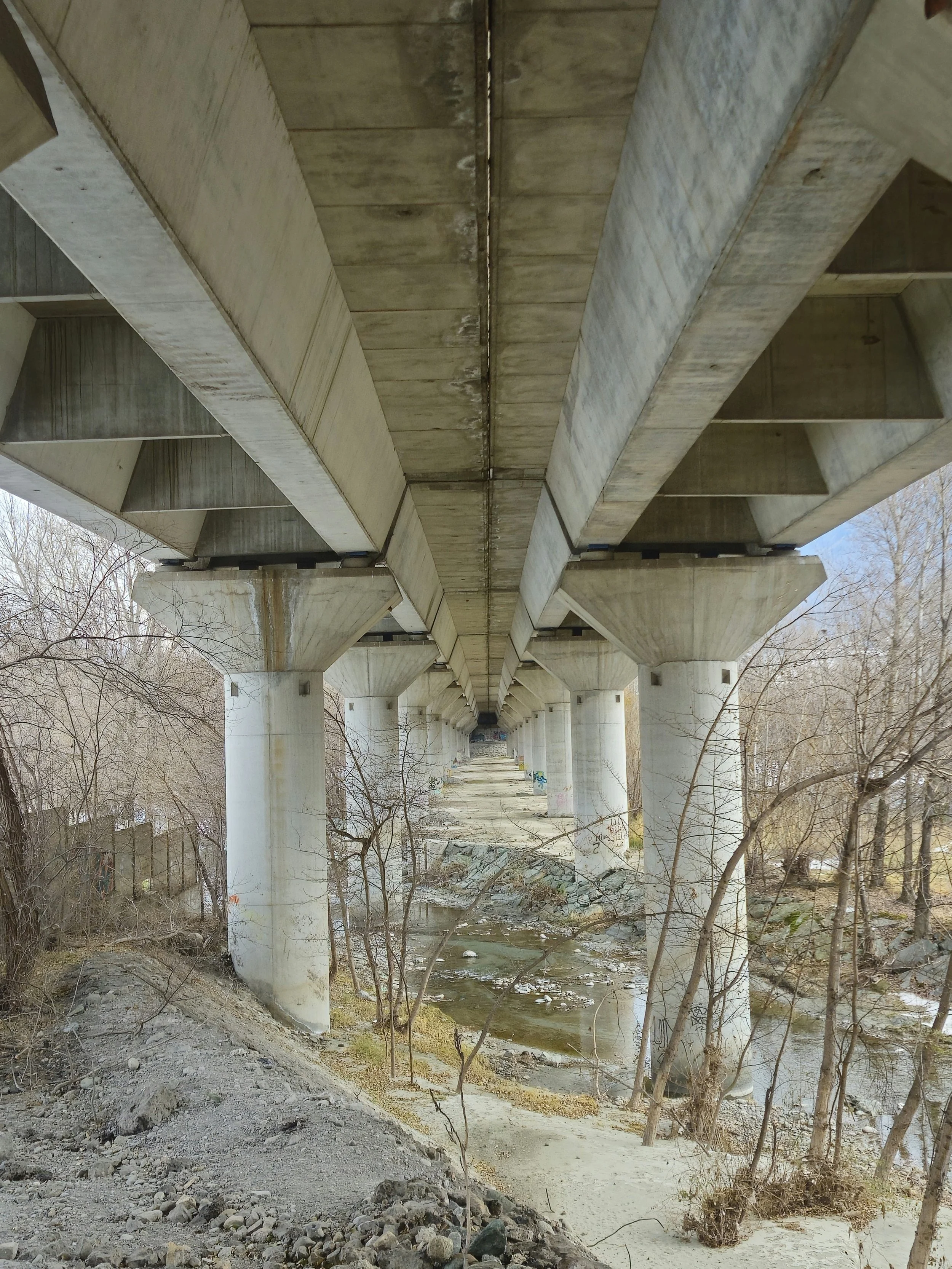
Infrastructure
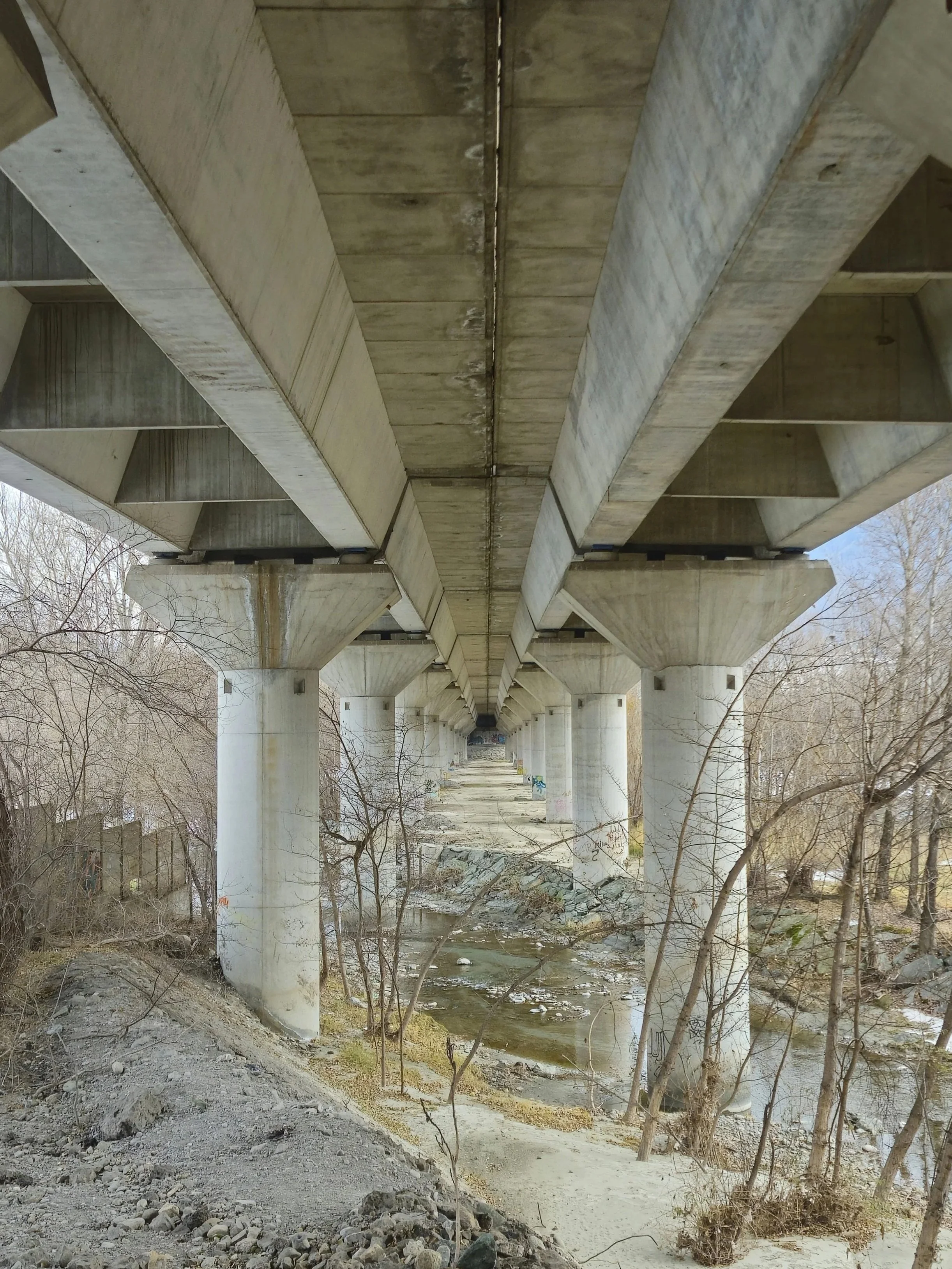
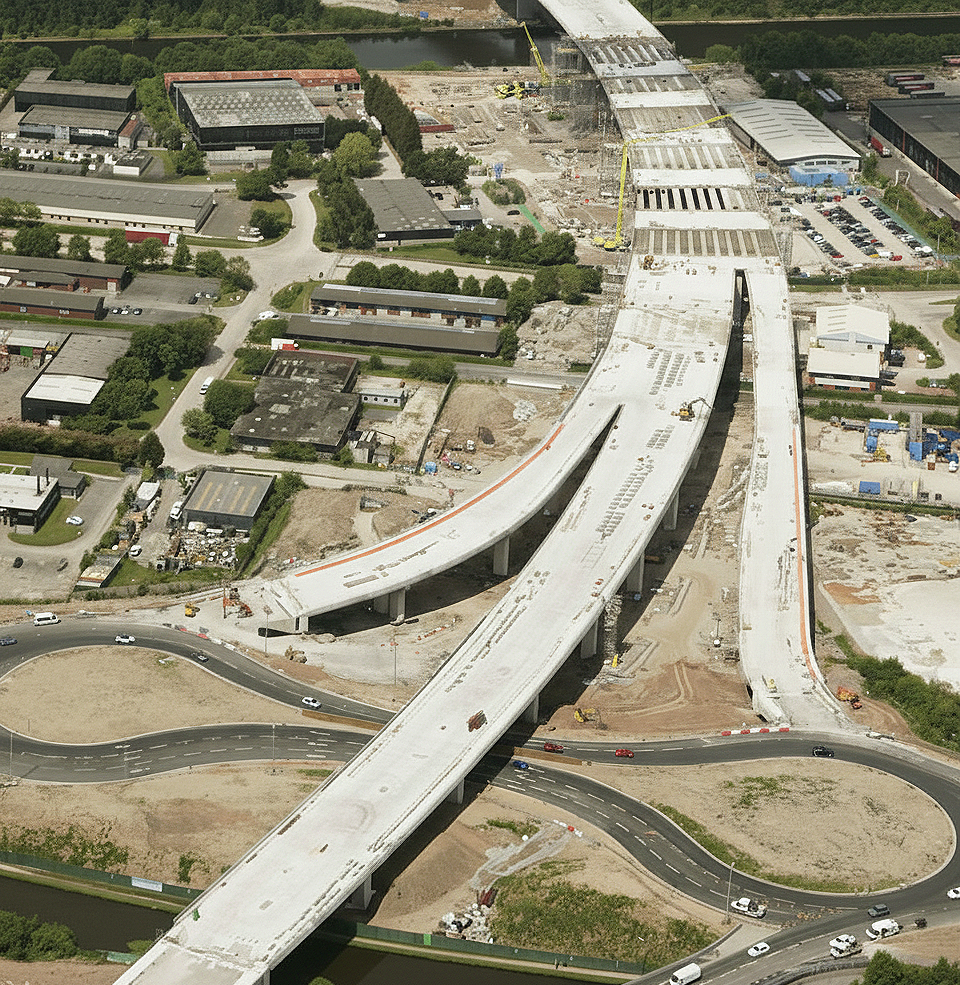
We forensically examine issues in infrastructure works, such as bridges, roads and highways, retaining walls, industrial structures and pavement slabs of ports and storage facilities.
-

Dispute Resolution & Litigation Support
We provide support through all stages of dispute-resolution processes and have provided in writing expert evidence in Court, Arbitration and Adjudication proceedings.
-
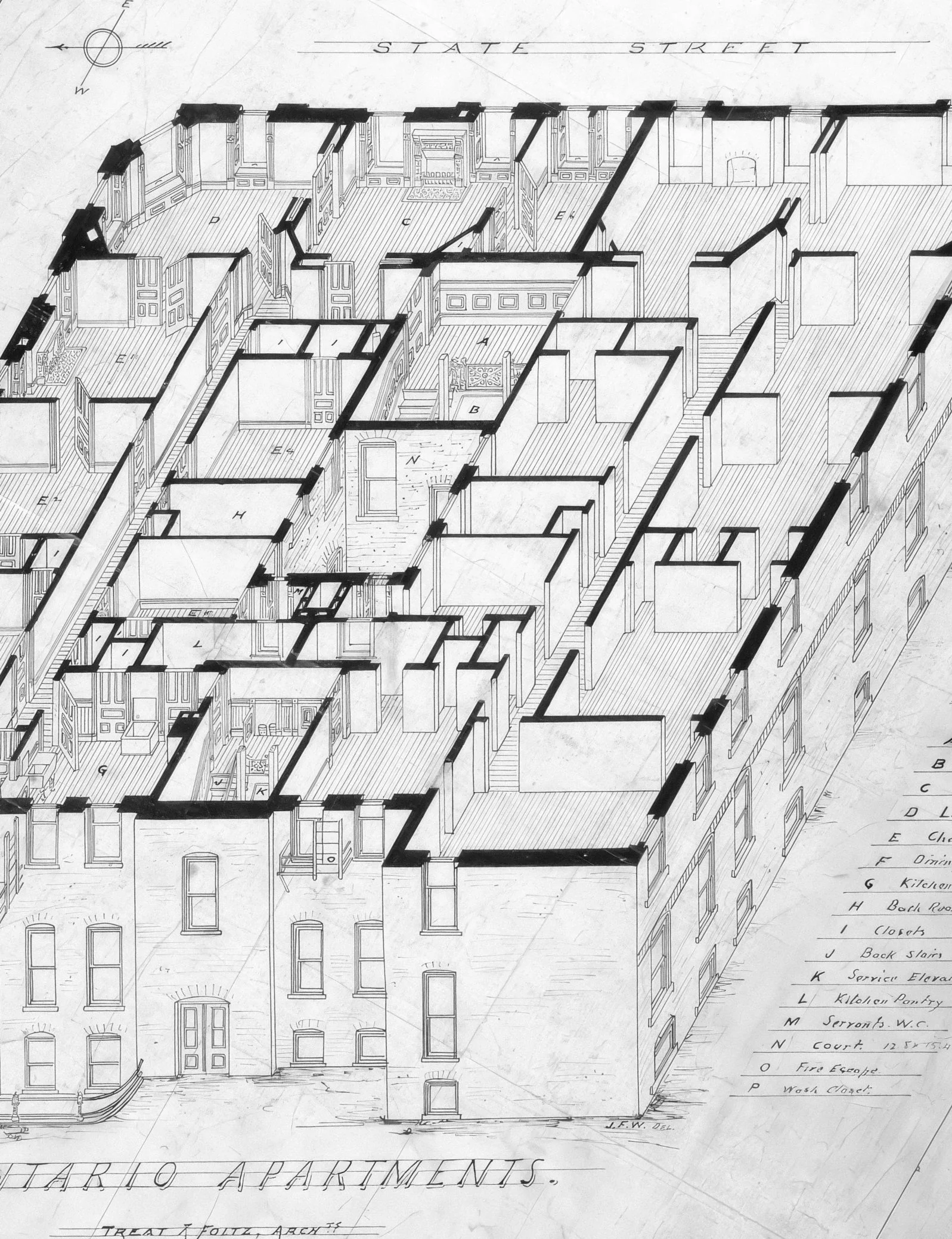
Technical Consultation
Engineering drawings and terms can seem daunting to non-engineers. We take pride in our ability to help non-technical parties quickly and confidently grasp complex engineering concepts using relatable language and effective graphics, and provide confidential technical consultations.
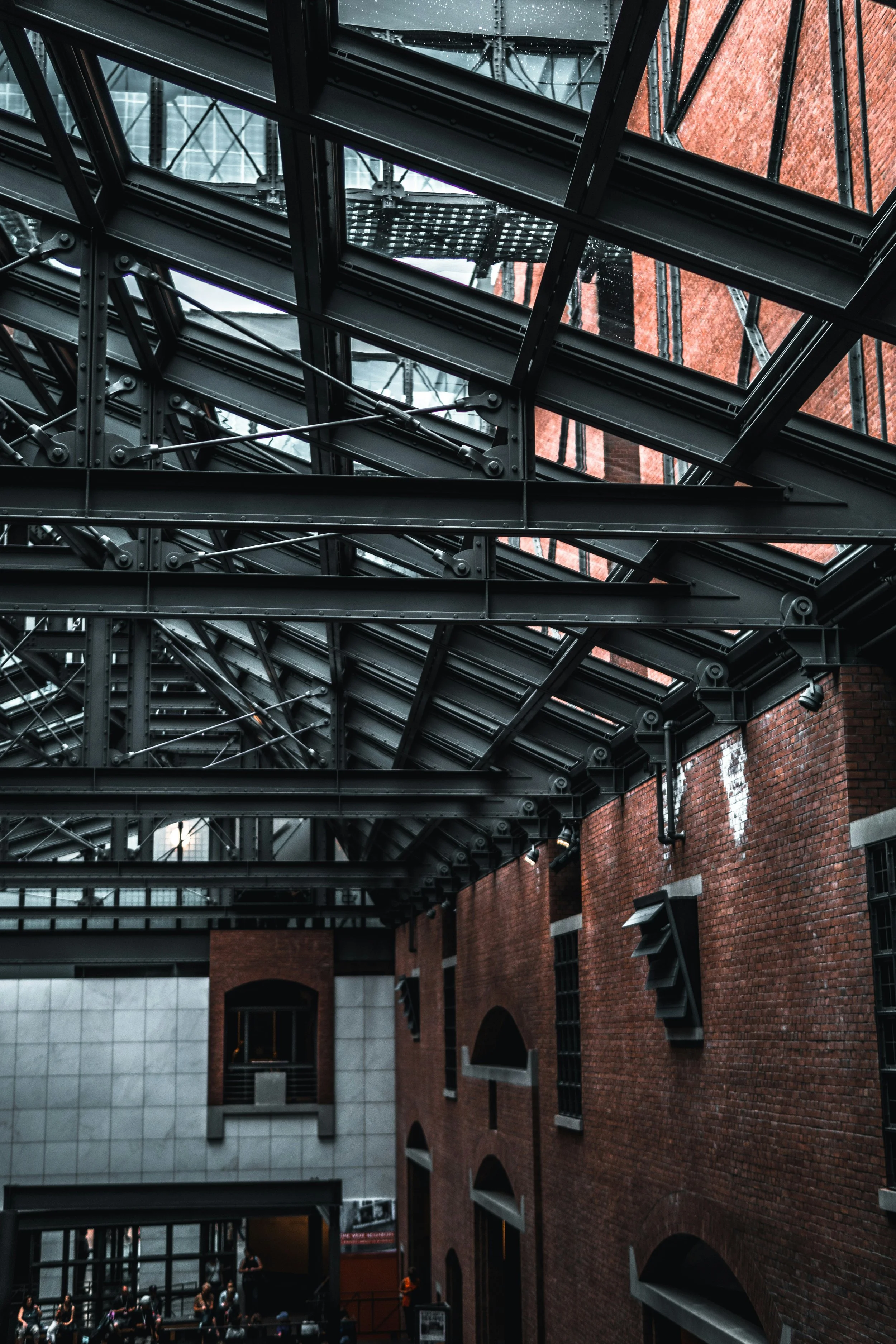
Buildings
We conduct forensic investigations covering a wide range of issues arising in building structures of many types and materials:
-
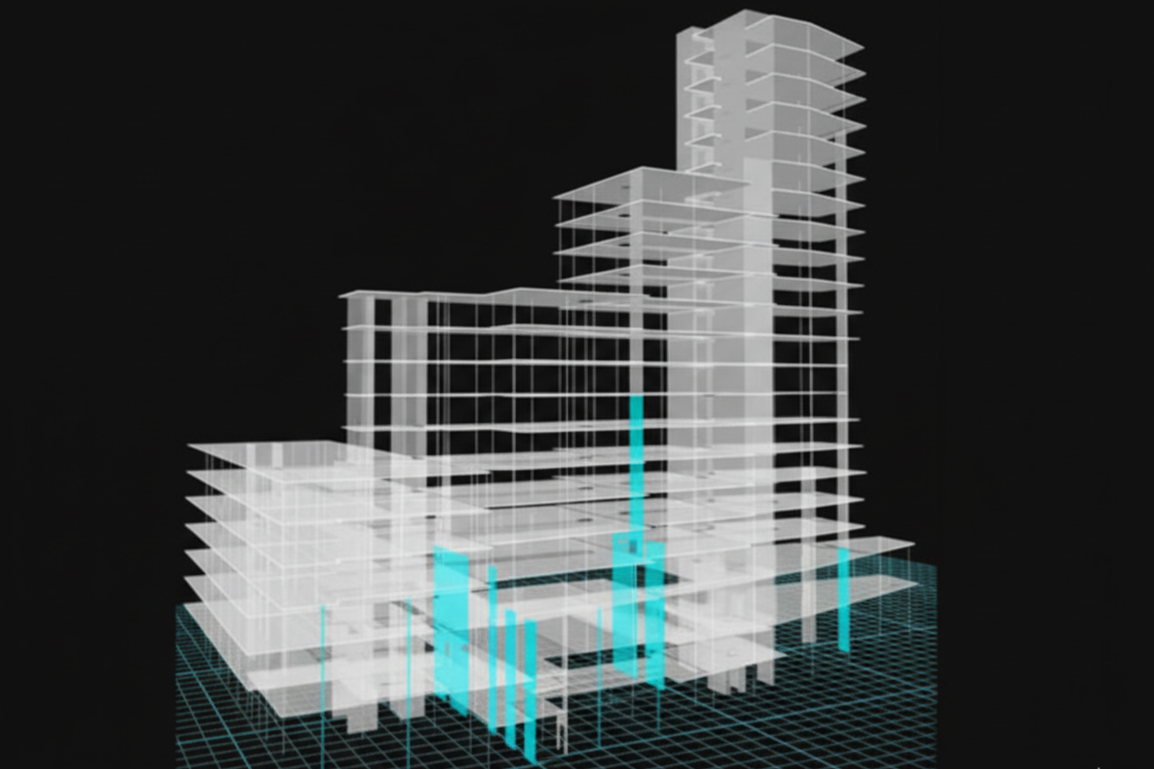
Residential buildings – detached and semi-detached houses, apartment buildings, high-rise structures.
Commercial buildings – low and high-rise office buildings, bussiness parks, hotels, warehouses.
Retail buildings – shopping centres, retail parks, showrooms and exhibition centres, multi-storey car-parks.
Transport facilities – airport terminals, bus and railway station buildings.
Leisure & entertainment – cinemas, theatres and concert venues, stadia, sports centres, swimming pools.
Health & education – hospitals, clinics, schools, university buildings, libraries.
Refurbishments – repair and conversion of existing structures of all sectors. Conservation of buildings with listed features.
-
Concrete – structures or structural components made by plain, reinforced or prestressed concrete, precast or in-situ, such as residential, commercial or retail buildings, stadia, transport facility buildings etc.
Steel – structures comprising pre-fabricated steel members erected and assembled on site, such as buildings with large open plan areas (i.e. offices, warehouses ), large roof structures, high-rise buildings, etc.
Masonry – traditional load bearing stone, brick and blockwork construction, commonly used in low rise buildings, heritage structures and chimneys.
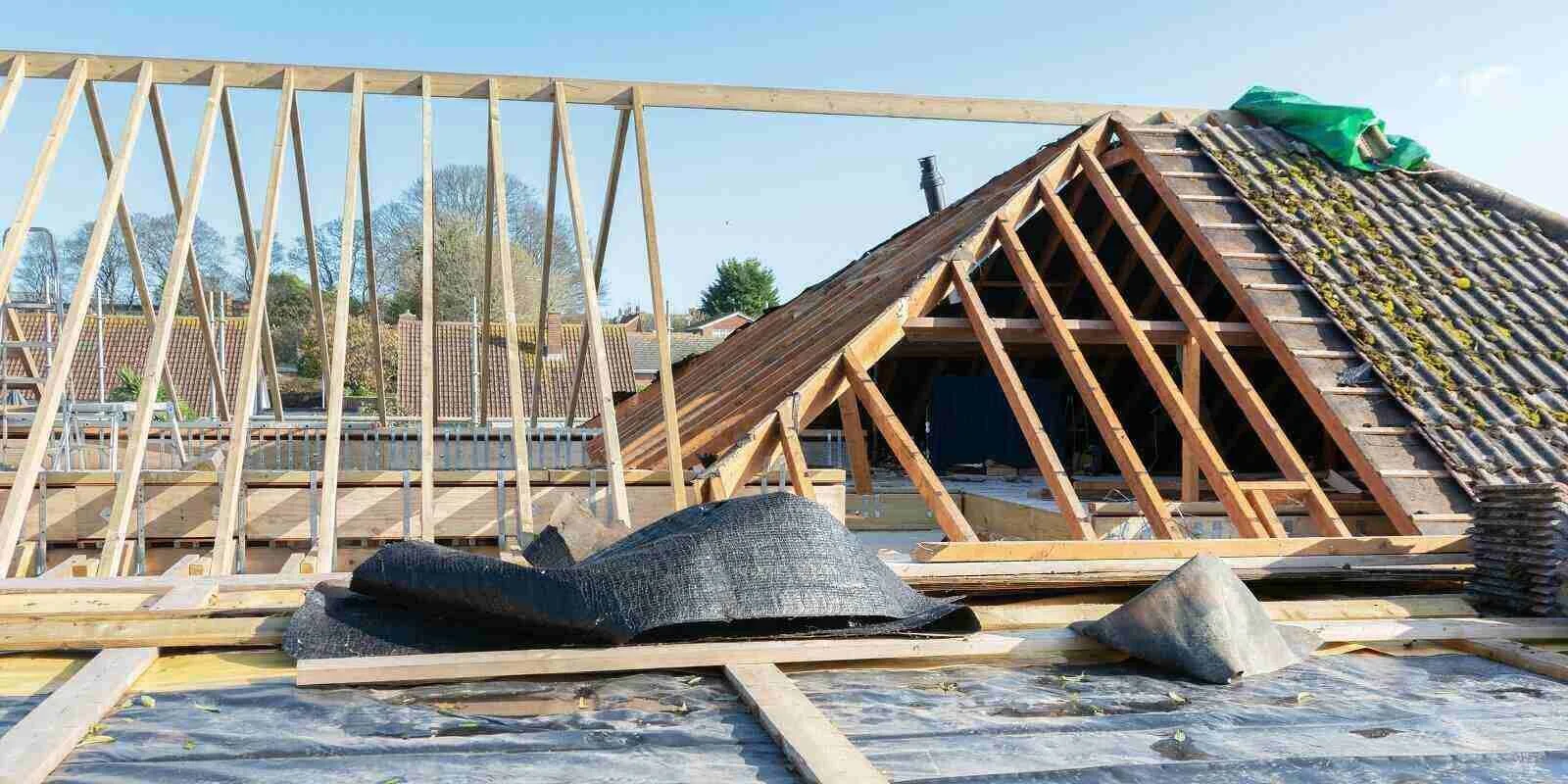
Timber – typically found in modestly sized roof structures of residential and commercial buildings, but also in modern engineered timber buildings and sports facilities, as well as temporary structures.
Composites & other materials – carbon fibre-reinforced polymers (CFRP) for strengthening solutions, structural glass and others.
-
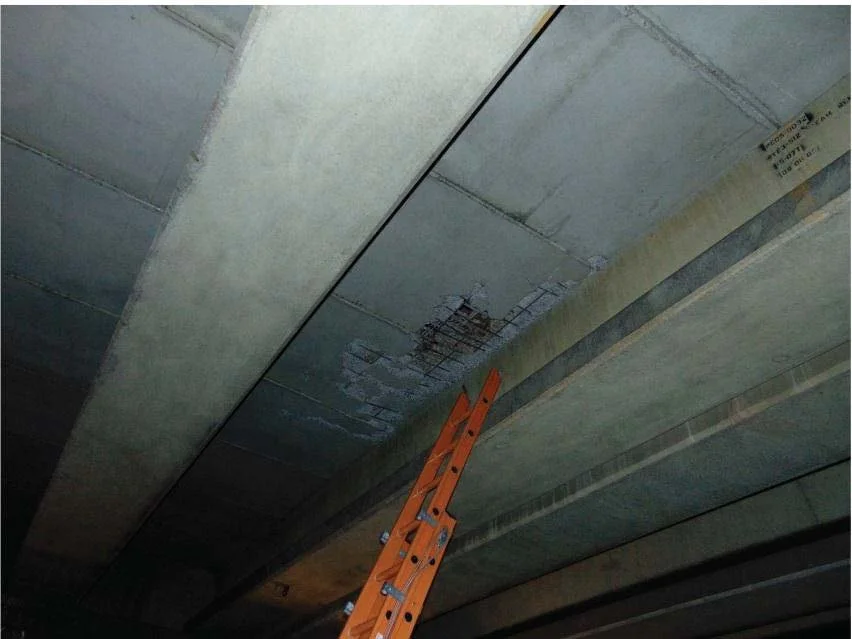
Concrete – concrete strength, adequacy of reinforcement, deflection, water ingress, cracking, corrosion, deterioration, settlement, creep, chemical attack, fire resistance, movement joints, precast concrete members, specification of materials.
Steel – member and connection failures, welds and bolts issues, deflection, buckling, footfall, machinery or wind-induced vibrations, fabrication and erection tolerances, fatigue, fire resistance, specification of materials.
Masonry – load capacity assessment, specification, cracking, movement joints, stability.
Timber – specification, bracing and stability, load capacity, deflection, connection design, vibration, joint detailing, durability, fire resistance.
Roles and responsibilities – duties of designers, contractors and sub-contactors, standard of skill and care and standard practice.
Code compliance –assessing compliance with codes of practice and building regulations.
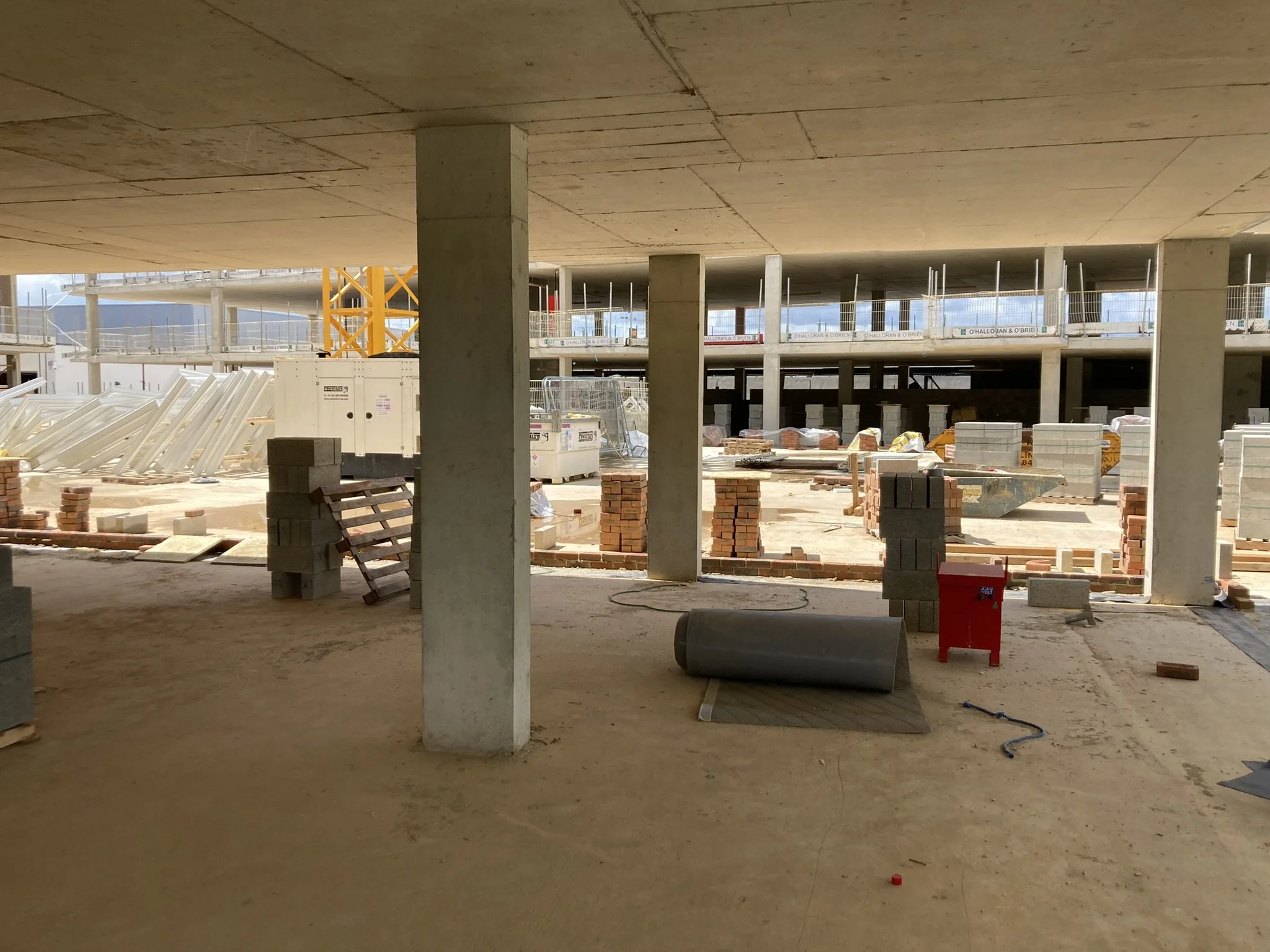
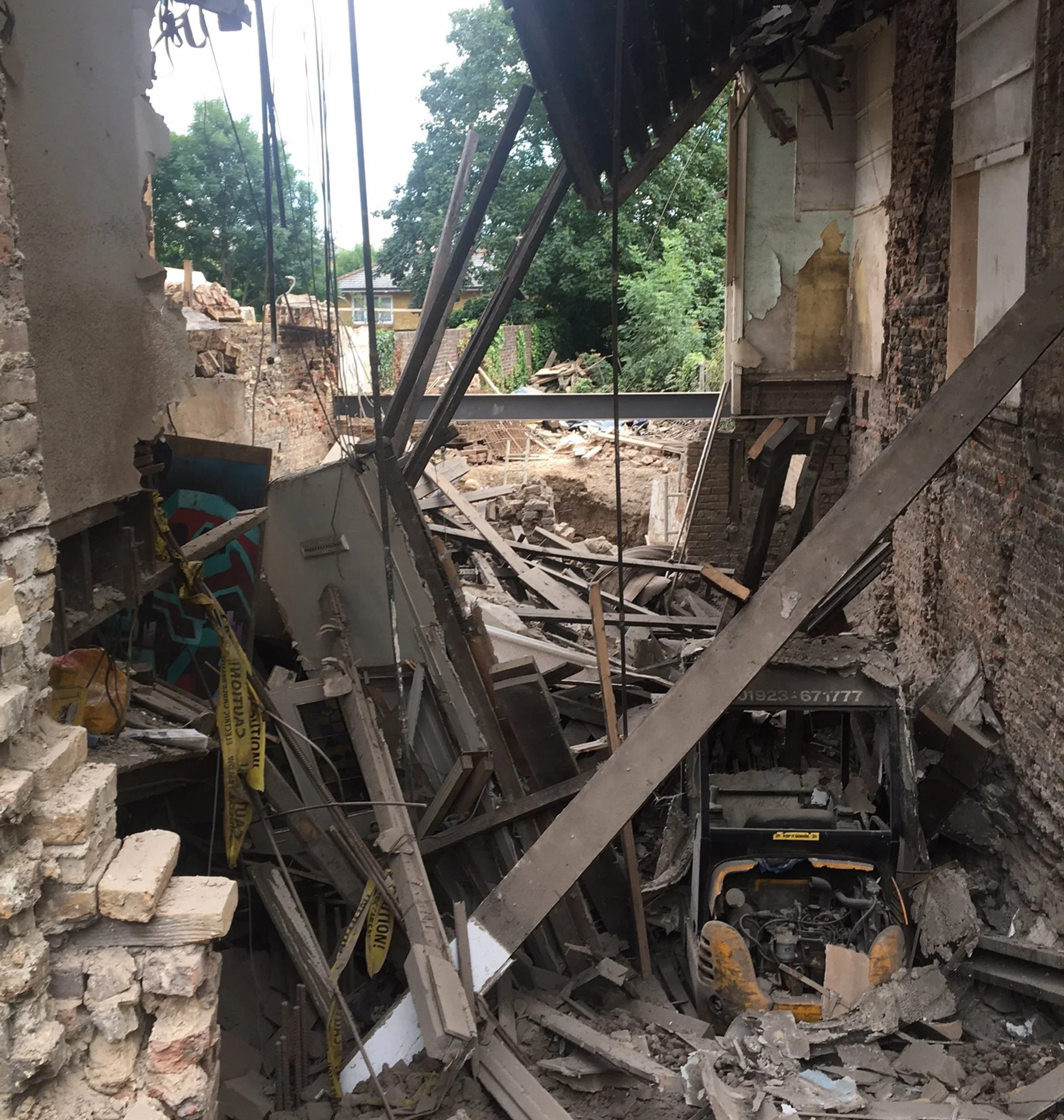
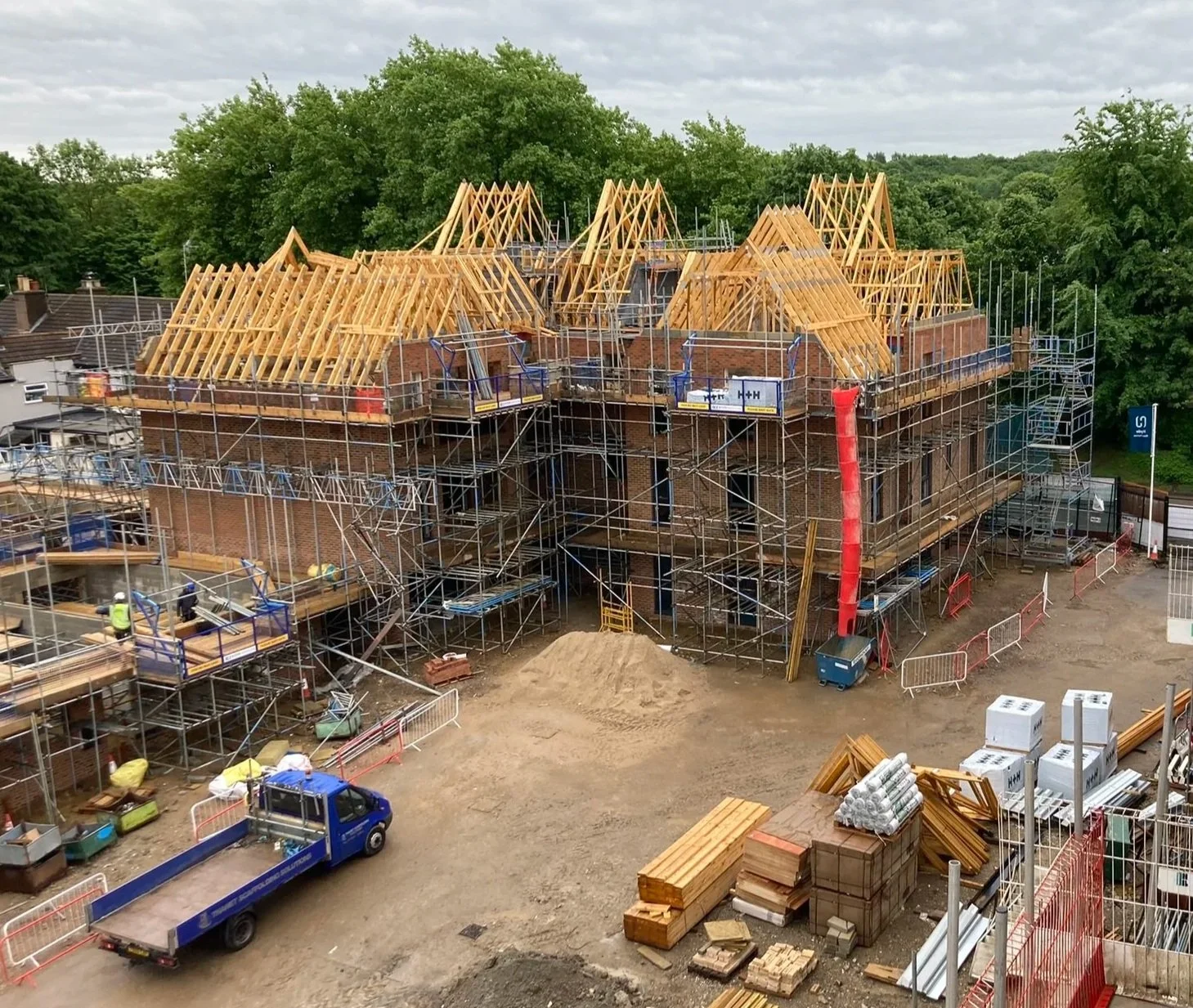
Health and safety during construction works – investigating the root cause(s) of collapse or partial collapse of structure during construction works, H&S incidents, temporary works, construction sequence, scaffolding.
Workmanship – tolerances, construction defects.
Remedial works – assessing need for remedial works, adequacy of remedial schemes prepared by others, devising remedial solutions.
Superstructure – investigating the causes of collapse or partial collapse, stability assessment, wind-induced damage, cracking, excessive deflection, concerns over the adequacy of design, concerns over the quality of workmanship.
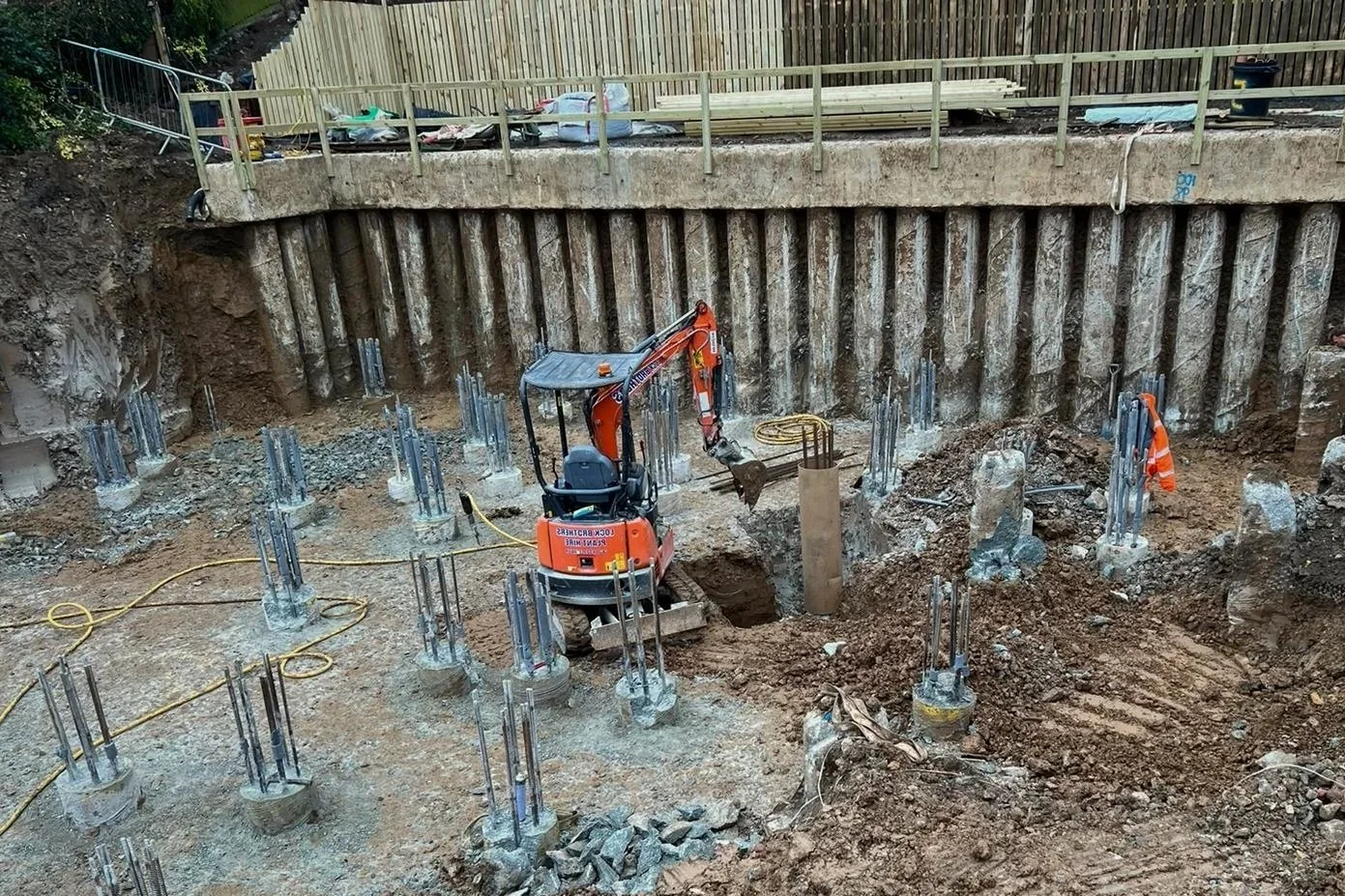
Foundations – design, workmanship, excessive movement, cracking, material quantities, tolerances.
Basements – water ingress, heave, settlement, cracking.
Facades – assessing structural systems, fixings, wind induced damage, responsibilities.
Contact us to discuss your needs or request further information.
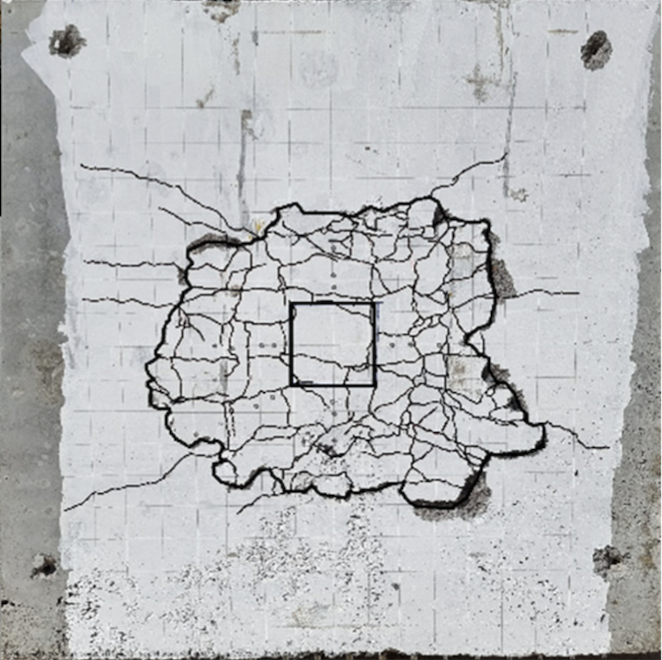
Infrastructure
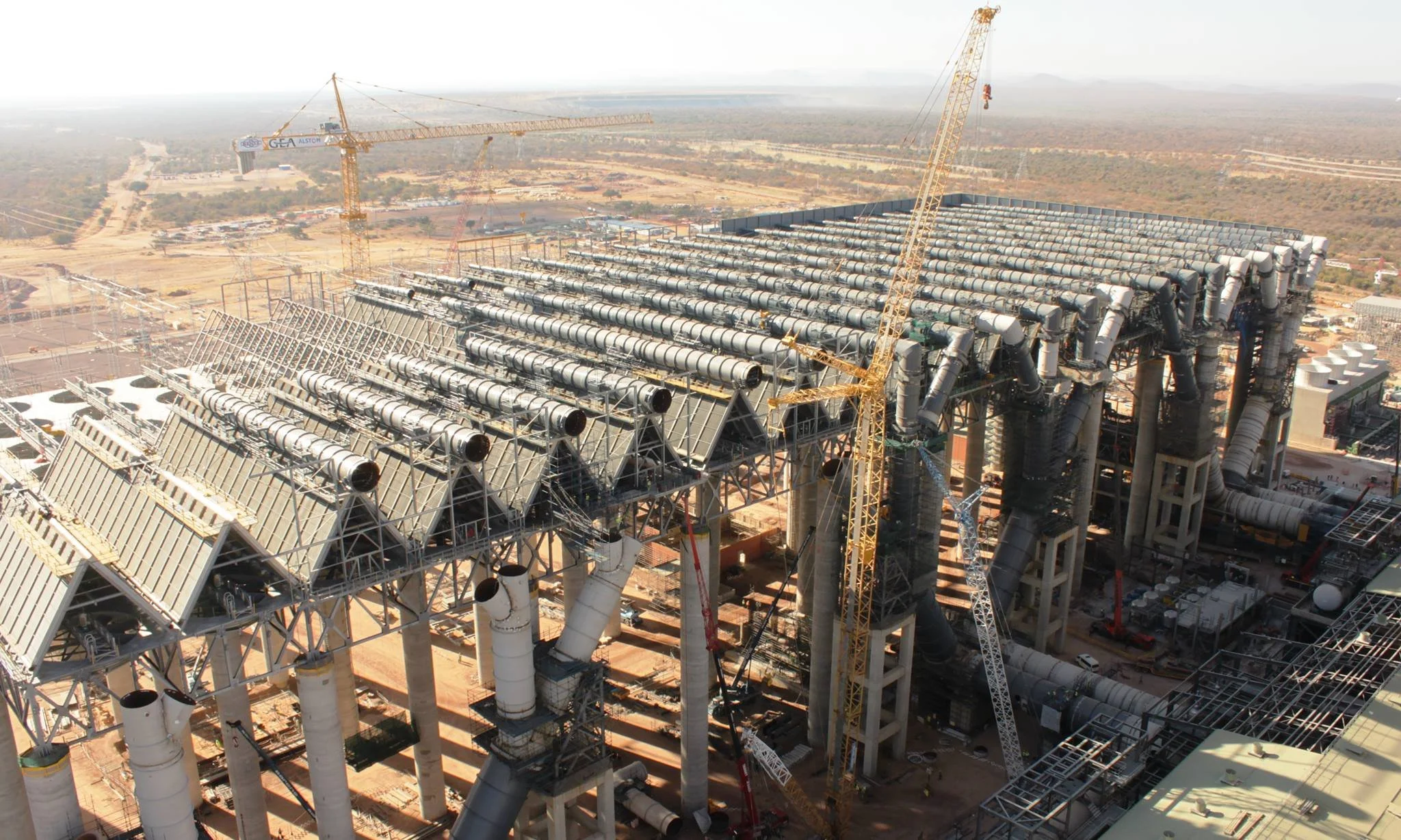
We conduct forensic investigations covering a wide range of issues arising in infrastructure works of many types and materials:
-
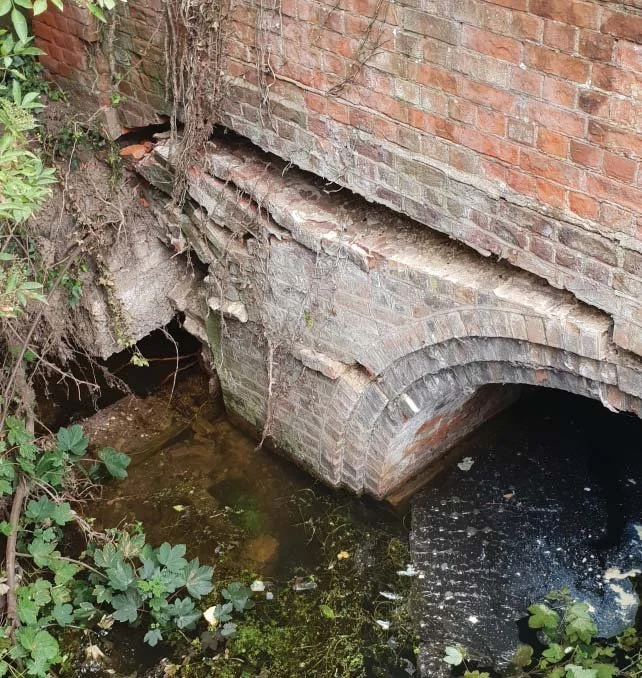
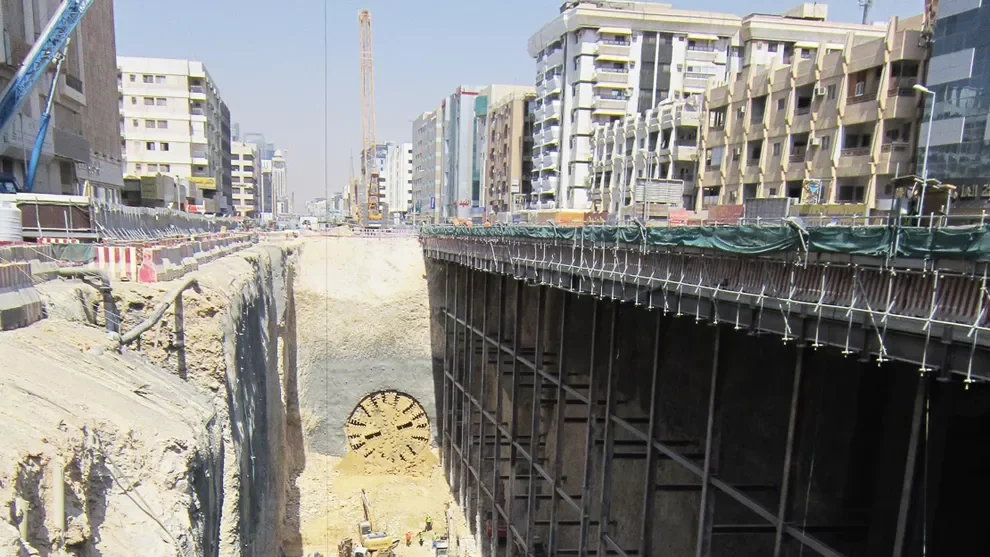
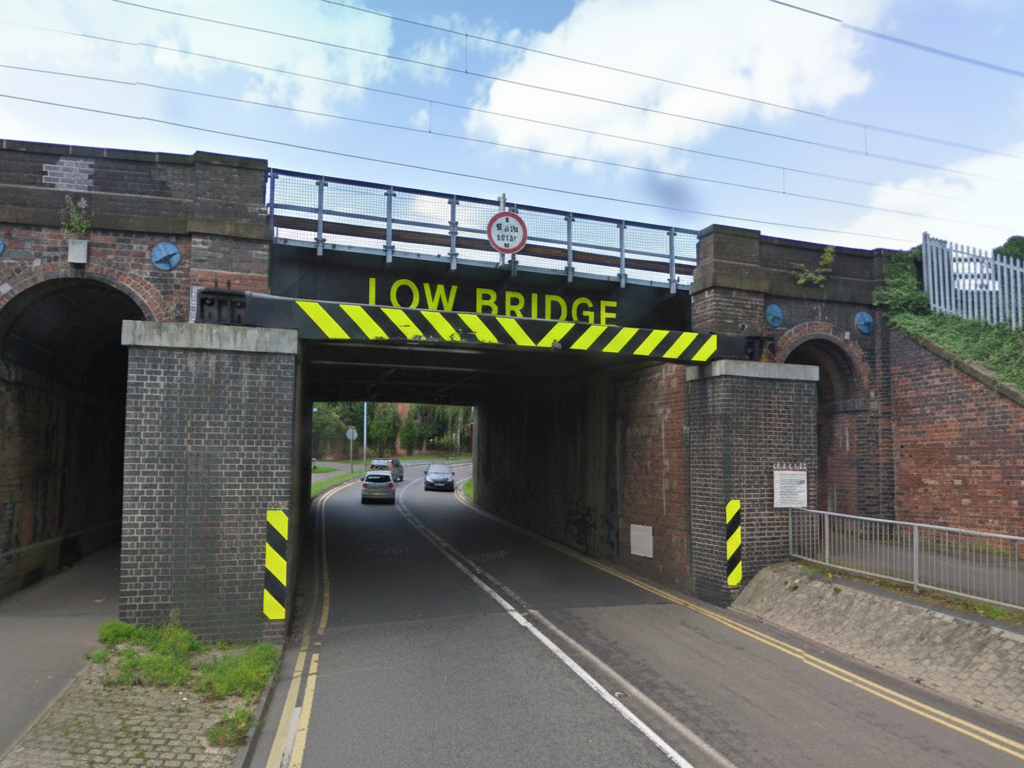
Transport infrastructure – highway and railway bridges, culverts, underpasses, overpasses, and tunnels.
Bridges – reinforced or prestressed concrete, steel, composite, masonry arch bridges.
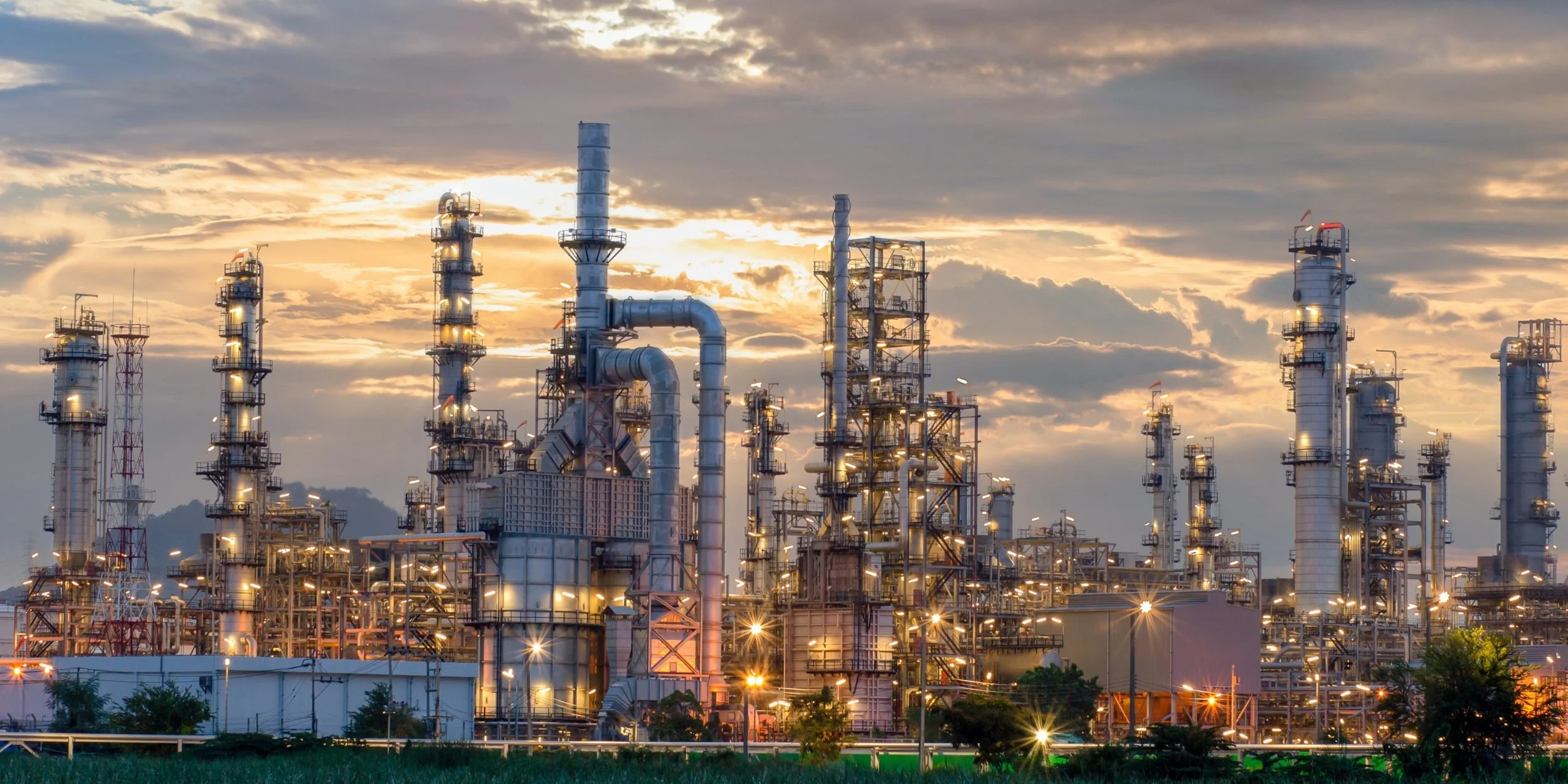
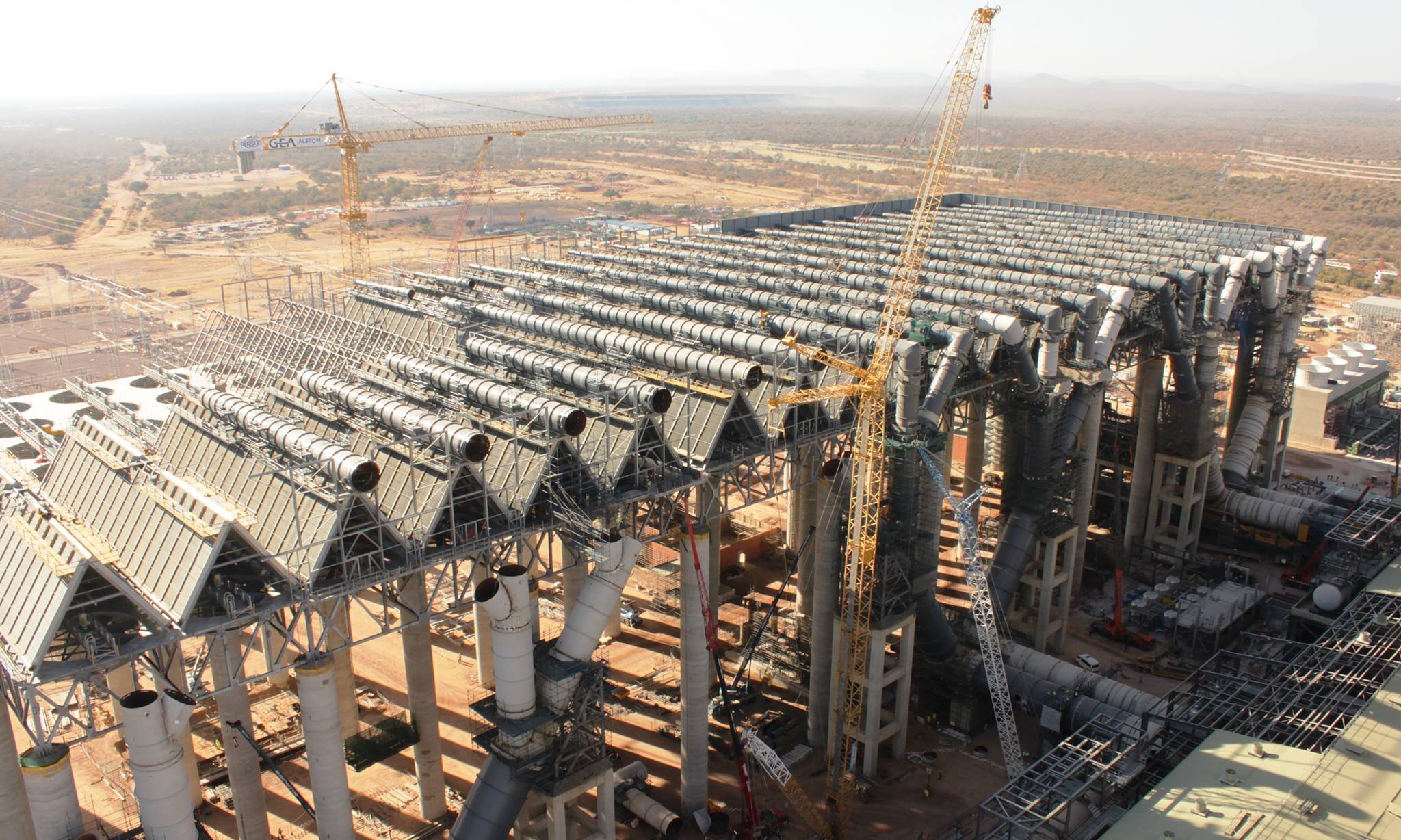
Industrial infrastructure – factories, storage facilities, heavy-duty paved areas, storage yards, loading bays.
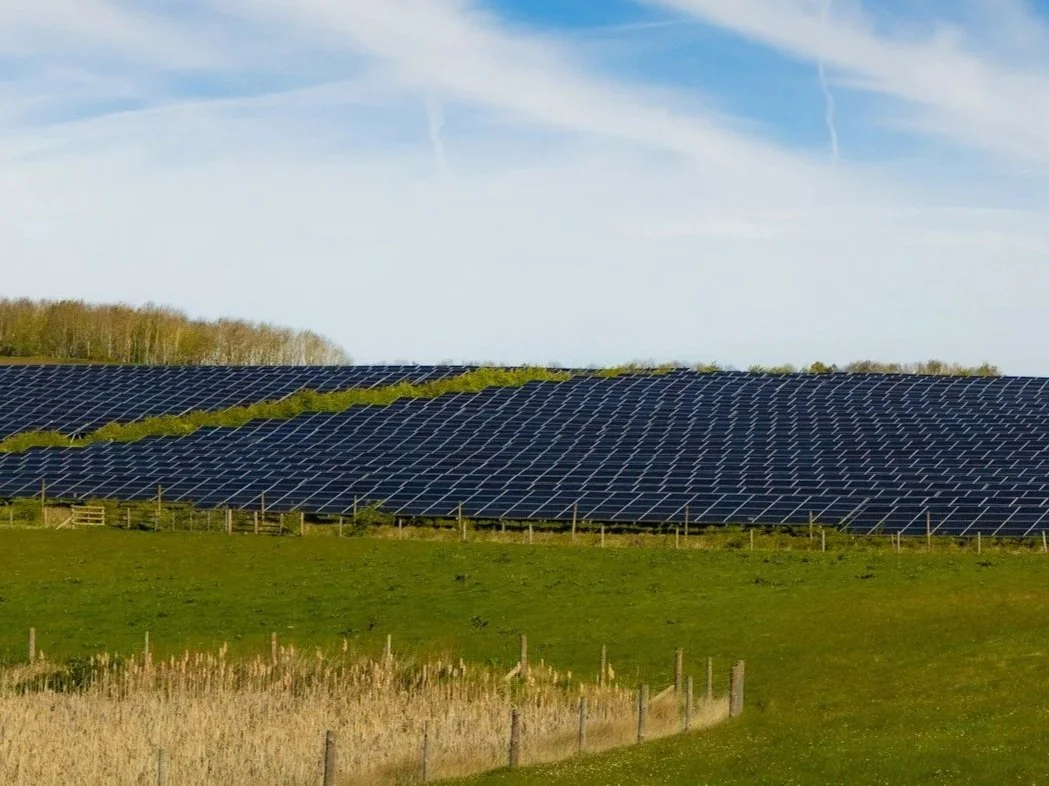
Utility and energy infrastructure – pipelines, transmission towers and poles, substations, solar farms, wind farms.
Earthworks and retaining structures – embankments, cuttings, soil stabilisation, ground improvement works, retaining walls.
Water management – canals, flood defences, stormwater drainage, wastewater treatment plants.
Coastal and Marine Structures – piers, jetties, seawalls, breakwaters, offshore platforms.
Maintenance and repair – maintenance, strengthening, and repair of existing civil infrastructure.
-
Concrete – structures made by reinforced or prestressed concrete, precast or in-situ, such as highway or railway bridges, culverts, underpasses and overpasses, retaining walls, tunnels, water treatment facilities.
Steel – structures comprising pre-fabricated steel members erected and assembled on site, such as railway bridges, offshore platforms, transmission towers, photovoltaic (PV) panel installations.
Masonry – load-bearing stone, brick and blockwork construction, commonly used in railway viaducts and historic arch bridges, canal structures and retaining walls.
Timber – pedestrian bridges, utility poles, piers and waterfront structures, fences, shoring systems and temporary works.
Composites & other materials – carbon fibre-reinforced polymers (CFRP) used for strengthening, retrofitting, and repair of existing civil structures.
-
Concrete – concrete strength, adequacy of reinforcement, deflection, water ingress, cracking, corrosion, deterioration, settlement, creep, chemical attack, fire resistance, movement joints, specification of materials.
Steel – member and connection failures, welds and bolts issues, deflection, buckling, machinery or traffic induced vibrations, fabrication and erection tolerances, fatigue.
Masonry – load capacity assessment, specification, cracking, movement joints, stability.
Timber – specification, bracing and stability, load capacity, deflection, connection design, vibration, joint detailing, durability, fire resistance.
Roles and responsibilities – duties and standard of care of designers, contractors and subcontractors.
Code compliance –assessing compliance with codes of practice and applicable regulations.
Health and safety during construction works – investigating the root cause(s) of collapse or partial collapse of structure during construction works, H&S incidents, temporary works, construction sequence, scaffolding.
Workmanship – tolerances, construction defects.
Remedial works – assessing need for remedial action, adequacy proposed solutions.
Superstructure – causes of damage or collapse, stability assessment, wind-induced damage, cracking, excessive deflection, concerns over the adequacy of design, concerns over the quality of workmanship.
Foundations – design, workmaship, settlement, cracking, material quantities, tolerances.
Basements and underground works – water ingress, heave, settlement, cracking.
Paved areas – cracking, settlement, fatigue, drainage.
Facades – assessing structural systems, fixings, wind-induced damage, responsibilities.
Contact us to discuss your needs or request further information.

Dispute Resolution & Litigation Support
Pre-action advice | Mediation | Adjudication | Arbitration | Court
We offer independent advice on technical matters within our expertise, to support non-technical parties navigate complex, multi-threaded claims through all stages of dispute-resolution processes and litigation proceedings. Depending on the nature of the matter, our work may include:
conducting on-site inspections and investigations;
providing early briefing advice to help parties promptly assess their position at the pre-action stage, based on a review of available information, often very limited;
preparing expert reports setting out facts and our professional opinions on the technical issues, considering roles and responsibilities, statutory requirements, codes of practice and standard industry practices;
advising parties through alternative dispute resolution processes, including mediations, adjudications and arbitrations;
attending expert meetings and preparing joint statements; and
giving evidence as Expert Witnesses to courts and other tribunals, as needed.
Contact us to discuss your needs or request further information.
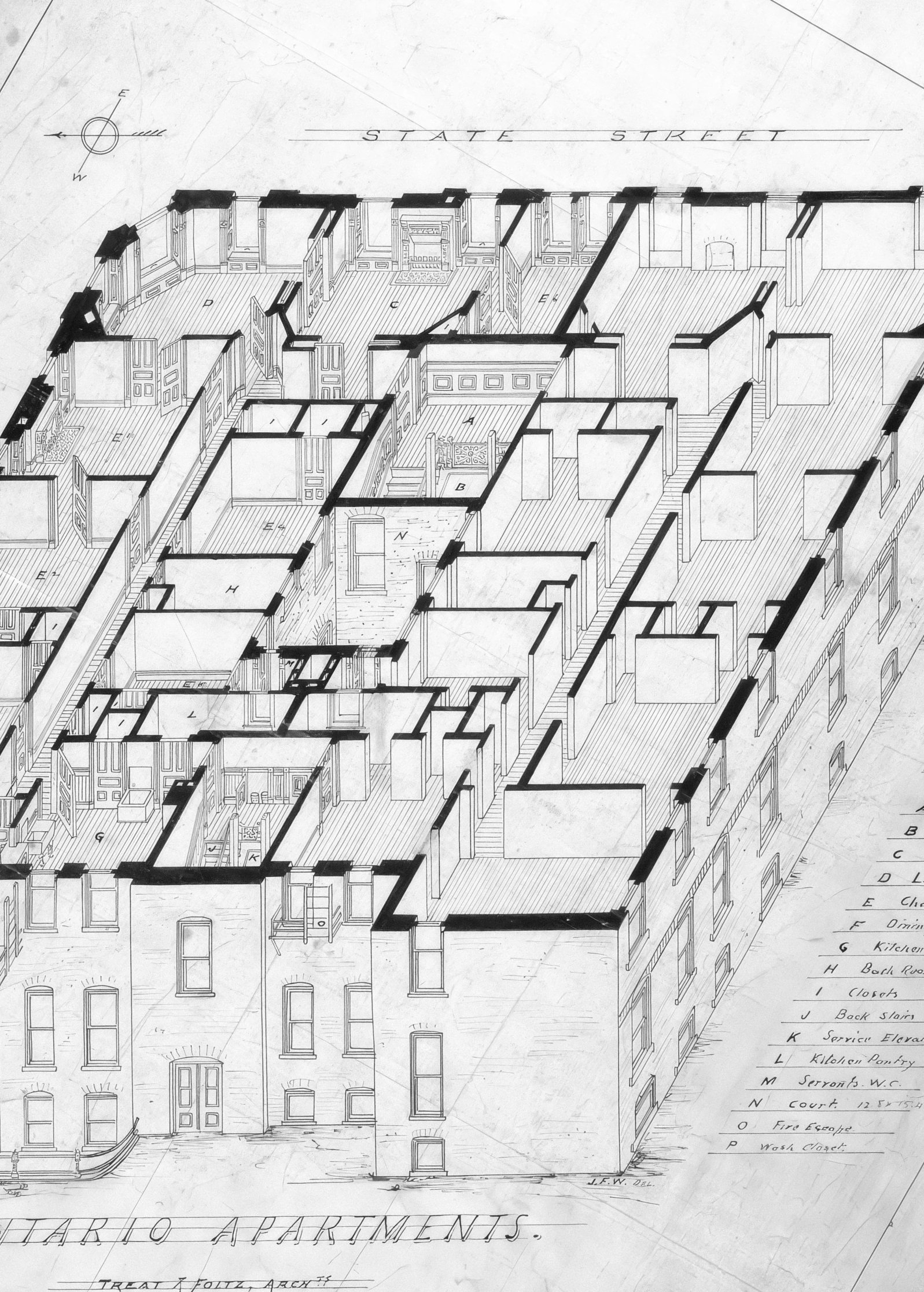
Technical Consultation
In our dispute resolution experience, non-technical parties having a basic understanding of the core engineering issues at the heart of their case are better equipped to accurately assess their position and assert their interests.
All the while, technical jargon and construction drawings can seem daunting and overwhelming to non-engineers.
We take pride in our ability to help non-technical parties quickly and confidently grasp complex engineering concepts using relatable language, straightforward explanations and effective graphics, and provide confidential technical consultations, sharply focused on the specific issues at hand.
Contact us to discuss your needs or request further information.